Family is, family are... (B1)
Collective nouns (332)
Kolektivní podstatná jména
Kolektivní podstatná jména – procvičování:
Na Landigo máme také lekci: Hromadná podstatná jména (B1)
The whole crew was really helpful. After landing, we thanked them all.
| Jeden celek: |
The whole crew was helpful.
|
| Jednotliví členové: |
We thanked them all.
|


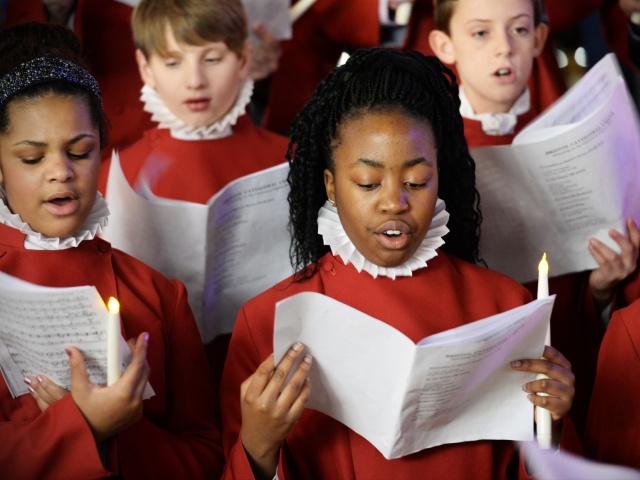
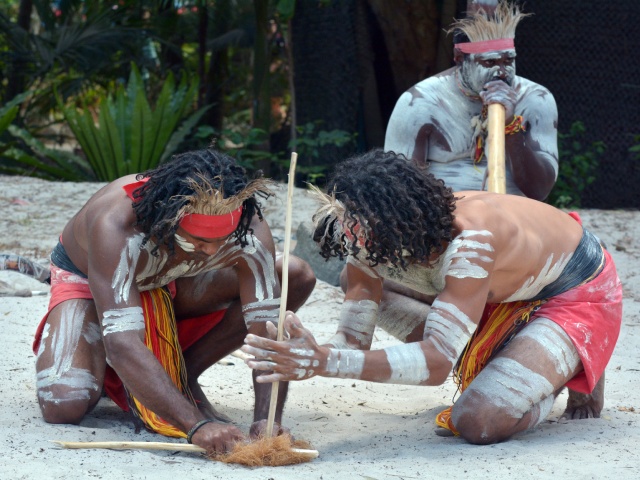
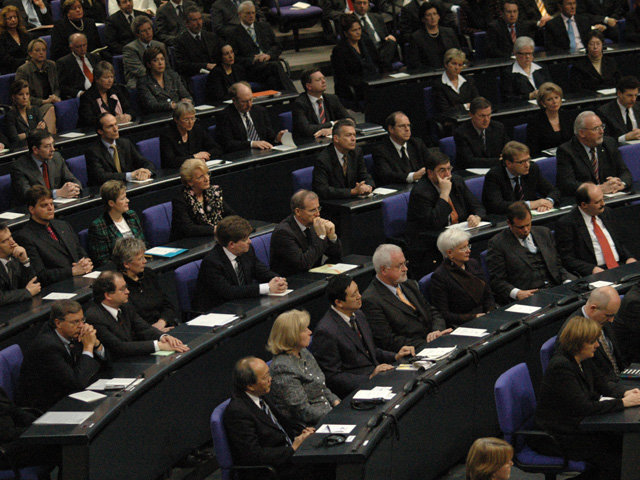
Kolektivní podstatná jména (crew, family, staff...) označují skupinu lidí:


Kolektivní slovíčka lze někdy brát jako jednotné číslo nebo množné číslo:
| My family is/are important to me. |
Číslo závisí na tom, jestli skupinu bereme jako jeden celek (family IS = it is) nebo jednotlivé členy (family ARE = they are).
What is the new staff like? – They're all very friendly and hardworking.
| Jeden celek: |
What is it like?
|
| Jednotliví členové: |
They're all friendly.
|

Family, crew, staff...
Mezi typická kolektivní slovíčka patří:
|
family
|
rodina |
|
crew
|
posádka; personál |
|
staff
|
zaměstnanci; personál |
|
school
|
škola |
|
board
|
rada |
|
committee
|
komise |









Canada, Adidas, Sony...
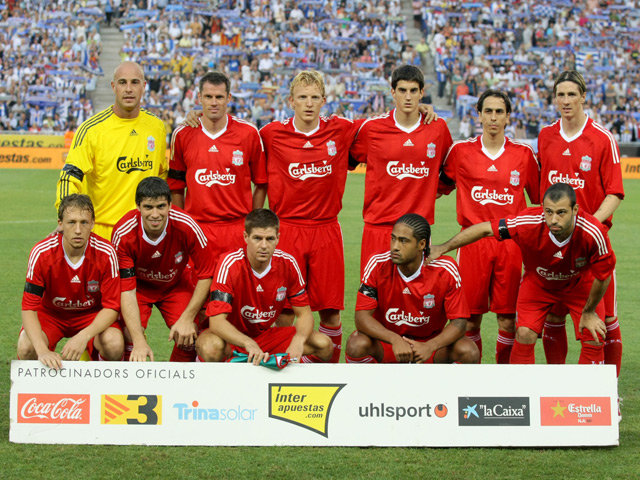
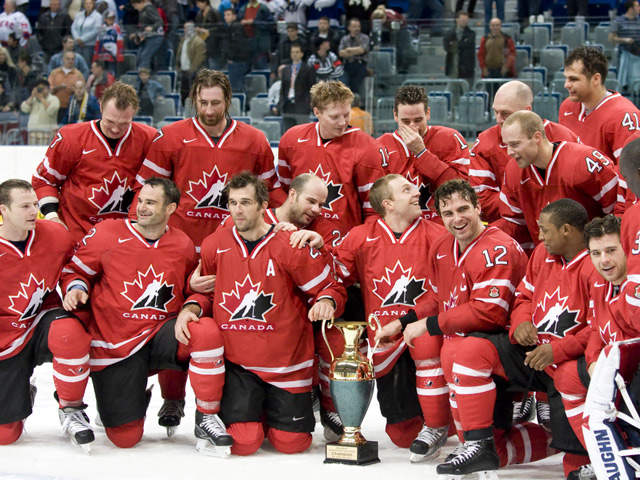
Mezi kolektivní slovíčka patří i vlastní jména – názvy sportovních týmů, společností, firem apod.:




Family is = it is
Kolektivní slovíčko bereme jako jednotné číslo, pokud se na skupinu lidí díváme jako na jeden celek (= it):
|
Tom's family is (= it/the family as a whole is) really big.
|
|
Our club was (= it was) founded in 2016.
|
The board of directors uses this room for its meetings.
| Skupina jako jeden celek: |
|
The board uses it for its meetings.
|

Our team is going to win the finals this year. I have no doubt about it!
| Jeden celek: |
|
Our team is going to win.
|
|
It is going to win.
|

Our company wants to find larger office space by the end of the month.
| Jeden celek: |
|
Our company wants to find it.
|

Family are = they are
Kolektivní slovíčko bereme jako množné číslo, pokud spíše než o celku mluvíme o individuálních členech skupiny (= they):
|
All my family hope (= They/All the family members hope) to go on holiday soon.
|
|
The staff are (= They/The staff members are) all under thirty.
|
The school are preparing for their final exams in June.
| Jednotliví členové skupiny: |
|
The school are preparing for their exams.
|

The target audience of this cartoon were children under ten years of age.
| Jednotliví členové: |
|
The audience were children under ten.
|
|
They were children under ten.
|

The hotel staff has a great manager. They all respect her very much.
| Jeden celek: |
The staff has a manager.
|
| Jednotliví členové: |
They all respect her.
|

BrE = staff are
AmE = staff is
Použití slovesa s kolektivními slovíčky se v britské a americké angličtině liší:
- Britové používají především množné číslo (staff are)
- Američané spíše jednotné číslo (staff is)
Jde o velmi obecné pravidlo – Britové ani Američané se jím striktně neřídí.
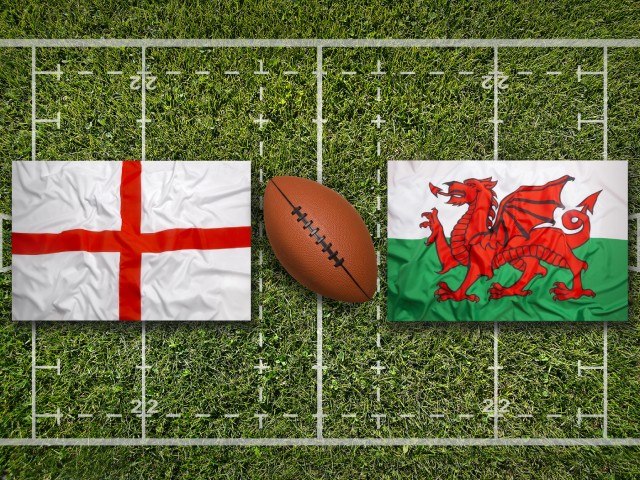
Are England playing Wales next week or the week after?
| BrE: | Are England...? |
| AmE: | Is England...? |
It seems like the jury is against us. If you lose, you might go to prison for life.
| AmE: | The jury is... |
| BrE: | The jury are... |

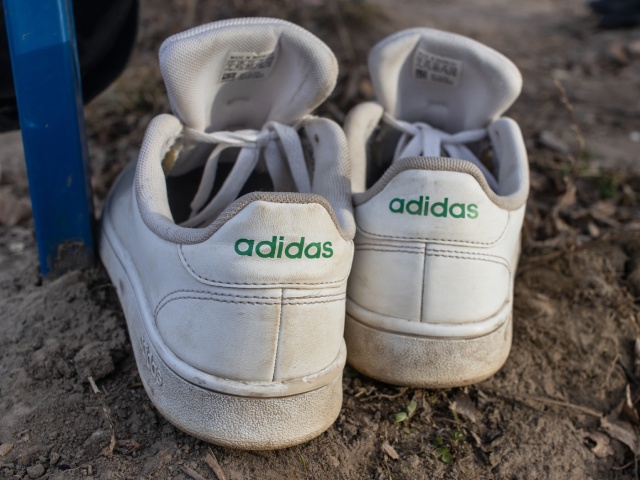
I love your old sneakers! Do Adidas still make them?
| BrE: | Do Adidas...? |
| AmE: | Does Adidas...? |
Police are, people are
POLICE (policie) sice označuje skupinu lidí, ale je to obyčejné množné číslo:
|
Police are on the way!
|
Policisté jsou na cestě! |
|
The police know who committed the crime.
|
Policie ví, kdo zločin spáchal. |
Nikoliv: police is; police knows
Watch out. The state police are on every road out of town.
| The police is are... |

PEOPLE (lidé) je množné číslo:
|
The local people are quite nice.
|
|
Two people were hurt in the accident.
|
We met those people when we were living in Australia.
|
that those people
|

Kolektivní podstatná jména – nejdůležitější body a tip na závěr:
- Jeden celek → jednotné číslo (staff is)
- Jednotliví členové → množné číslo (staff are)
- BrE → spíše množné číslo (staff are)
- AmE → spíše jednotné číslo (staff is)
- Doporučujeme si procvičit kolektivní podstatná jména (collective nouns) v našich cvičeních.
